
 By the EXIMCompass team
 Checked against 1 official source

We have audited hundreds of Chinese suppliers over the past decade. The factories that later caused problems for importers almost always showed one of the same five warning signs up front. Here they are, in the order we check them.
1. The business licence doesn’t match the story
Every legitimate Chinese company has a Unified Social Credit Code — an 18-character registration you can verify on the government’s public database. The red flag isn’t a missing licence; it’s a licence whose registered scope says “trading” while the salesperson insists you’re talking to a manufacturer, or a registered capital far too small for the factory being described.
Check instead: ask for the licence early. A real factory sends it within hours without ceremony.
2. They can make everything
Show them a phone case — “yes, we make it.” A juicer — “yes.” Solar panels — “also yes.” A factory with genuinely broad capability exists, but far more often you’ve found a trading company quoting someone else’s production, adding margin, and controlling none of the quality.
Check instead: ask which three products account for most of their output, then ask for a video call from the production line making exactly that.
3. Prices meaningfully below every other quote
If five suppliers quote $4.10–$4.40 and one quotes $3.20, that quote is not a bargain — it’s a different product. Thinner material, a substituted component, an older mould, or a factory that plans to make it up on quantity shortfalls.
Check instead: ask the cheap quoter to itemise materials and packaging. The gap always lives in a spec line.
4. Reluctance around third-party inspection
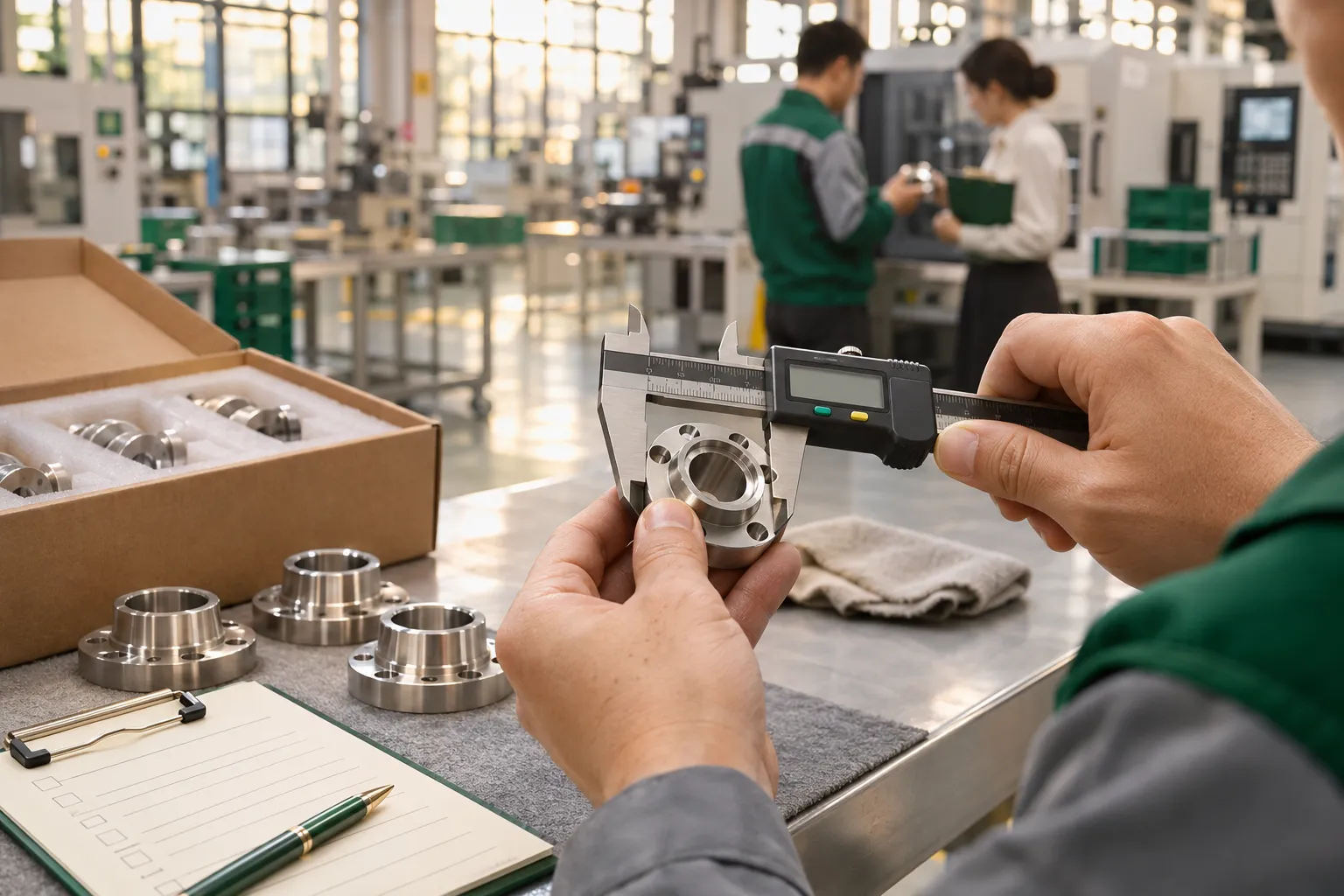
Any factory confident in its production accepts a pre-shipment inspection — it’s routine across the industry. Hesitation, rescheduling, or “our own QC report is enough” is one of the strongest negative signals we know.
Check instead: put the inspection clause in writing before the deposit. Watch how they respond to the clause, not the inspection.
5. Payment terms that concentrate your risk
100% advance payment, personal bank accounts instead of the company account, or a beneficiary name that doesn’t match the licence — each one moves all leverage to the other side of the table.
Check instead: standard terms are 30% deposit, 70% against the shipping documents or a passed inspection. The company account name must match the business licence exactly.
The pattern behind all five
None of these checks require being in China — they require knowing what to ask and refusing to skip steps when the price looks good. That discipline is the core of our China Sourcing Support, where verification comes before negotiation, every time.
Sources
Trade rules change often. This guide is general information, not legal or tax advice. Check the current notification before you act, or ask us.